In today’s fast-changing world of geospatial tech,Portable Rtk solutions are really shaking things up. They’re giving pros the chance to work faster and more accurately when it comes to surveying and mapping — it’s kind of a game-changer. Just recently, a leading market research firm released a report saying that worldwide, the demand for thesePortable RTK systems is expected to grow by over 15% annually from 2021 to 2026. This surge is mainly thanks to upgrades in GNSS tech and wider use across industries like construction, farming, and city planning. Companies like Shanghai Apekstool (APEKS), who are known for their reliable and innovative geospatial tools, are leading the charge. They offer a variety of Portable RTK solutions that make precise surveying simpler and more user-friendly for surveyors.
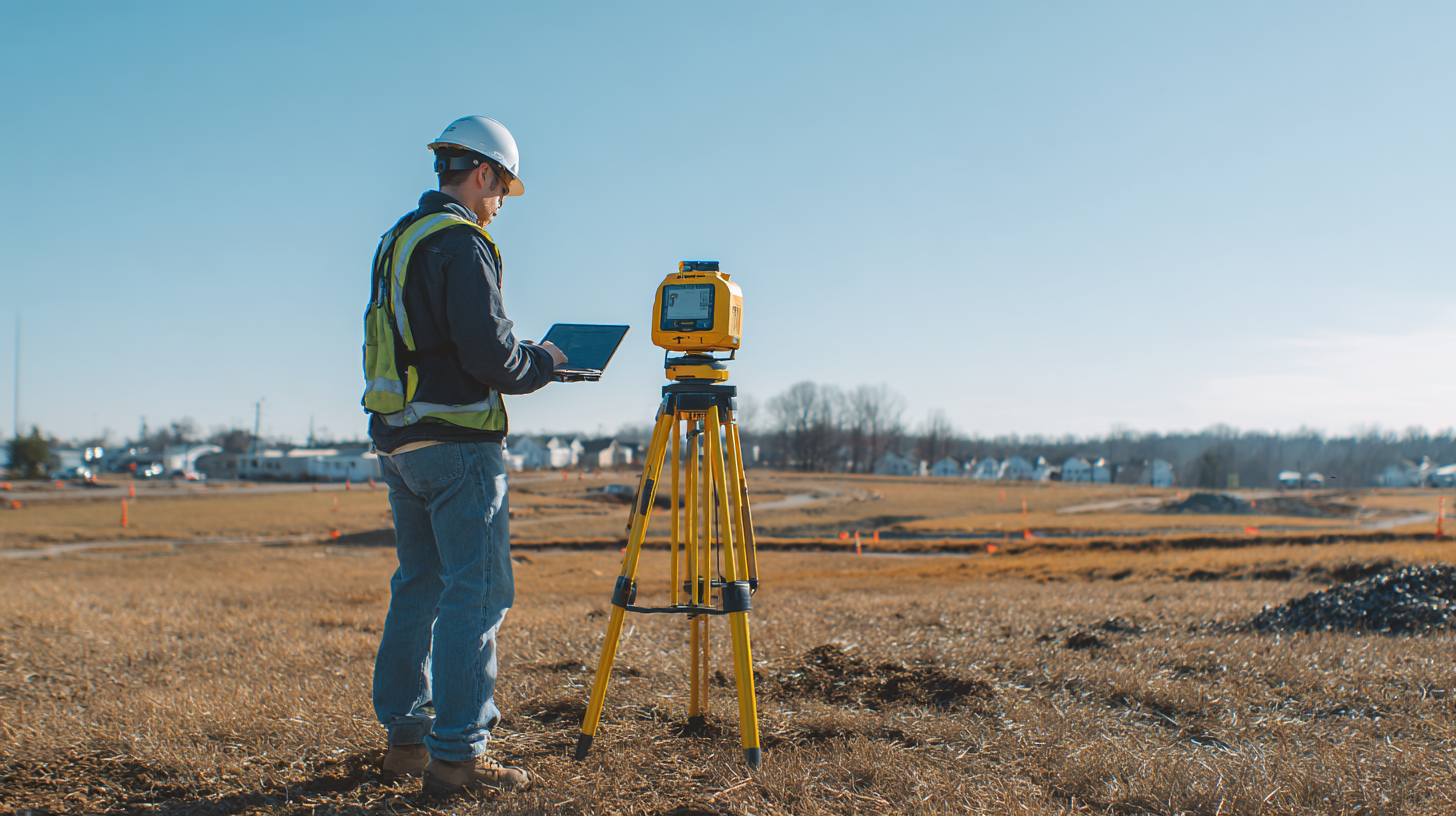
As we get into some of the best tips for using Portable RTK systems efficiently, I’ll show you how these pretty amazing tools can totally change how you work — taking your projects to a whole new level.
Identifying Your Specific RTK Needs for Maximum Efficiency
So, if you're trying to get the most out of portable RTK (Real-Time Kinematic) setups, the first thing you wanna do is figure out exactly what you need. I mean, every application—whether it’s farming, construction, or surveying—has its own set of requirements. I read somewhere that the global market for RTK tech is actually expected to jump from about $1.6 billion in 2022 to a whopping $4.9 billion by 2027. That just shows how much folks are looking for precision and efficiency across different industries. It really drives home the point that your RTK solution should be tailored to fit your specific needs.
Thinking about things like the environment you’re working in, how accurate you need things to be, and how you’ll stay connected – those are super important details. Take agriculture, for example; since fields can vary a lot, picking an RTK system with strong multichannel GNSS capabilities can give you better coverage and more accurate results. Oh, and NIST (that’s the National Institute of Standards and Technology) actually says that getting your RTK performance dialed in can bump up productivity by as much as 30%. So, if you spend a little time assessing what you really need, you’ll end up choosing an RTK solution that not only fits your budget but also helps you work smarter, reduces downtime, and gets the job done faster.
Evaluating Top Portable RTK Solutions on the Market
When you're diving into high-precision surveying and mapping, having a good portable RTK (Real-Time Kinematic) device really makes all the difference. Figuring out which one’s the best for your needs can be a bit of a maze, but generally, you want to look at things like accuracy, how user-friendly it is, and how long its battery lasts. Brands like Trimble R12i and Leica GS18 I stand out because they come packed with advanced tech that can seriously speed up your work. Not only do they give you centimeter-level precision—pretty impressive, right?—but they also have interfaces that are easy enough for beginners to get the hang of, so you don’t have to be a tech genius to use them effectively.
Oh, and don’t forget about connectivity. Having a device that can keep you connected through cellular, Bluetooth, or other means is super important. This makes it way easier to transfer data on the spot and stay in sync with your software. Plus, many of these devices can integrate with cloud services, which makes managing your data a whole lot simpler. If you keep these factors in mind—accuracy, ease of use, and good connectivity—you’ll be able to pick a portable RTK solution that really fits your specific needs, helping you work smarter and faster overall.
Integrating Portable RTK with Existing Workflow Systems
So, when you're thinking about bringing portable RTK solutions into your current workflow, it's really about making things run smoother and faster—especially if you're into surveying or mapping where pinpoint accuracy is a must. Thanks to some pretty cool tech advancements, we've got things like handy handheld gadgets and even smart drones that are totally revolutionizing how we gather data out in the field. The best part? You can actually use these RTK tools with devices you're already familiar with, like your mobile phone or tablet. That means your team can cut down on survey time and get the work done more efficiently.

A quick tip—make sure these new tools play nicely with your existing software so everything flows seamlessly. And don’t forget, investing in proper training for your team goes a long way. When everyone understands how to use these apps and devices easily, switching over feels way less daunting. Plus, many of these modern RTK units are pretty flexible, so they can adapt to different job sites without a fuss. Overall, adopting these solutions not only makes data collection simpler but also boosts accuracy and dependability. That’s a win for your projects and your clients. Jumping on this tech train helps your team stay ahead in a competitive market, all while ensuring top-quality results—that’s what it’s all about.
Best Practices for Setting Up Portable RTK Solutions
When you're setting up portable RTK (Real-Time Kinematic) systems, having a solid game plan is pretty much essential to get the most out of it. I read somewhere from the International Association of Geodesy that using GNSS tech in farming can boost productivity by up to 20%. If you're aiming for similar results with portable RTK gear, then it's all about making sure your equipment is calibrated right and doing thorough site checks. Double-check that everything—from the base station all the way to the rover—is set up correctly, because that can really make a big difference in how accurate your positioning is. This is especially true in spots where multipath effects are a pain—they can really screw up signal reception if you're not careful.
Also, having a reliable communication setup is a game-changer for keeping RTK corrections steady. Data from the European GNSS Agency suggest that using cell networks along with traditional radio links can cut down latency and boost data stability by about 30%. Plus, don’t forget—regular updates to your firmware and software, plus making sure users know what they're doing, are super important. A study from the National Institute of Standards and Technology pointed out that how skilled the operator is can really impact results—better training can cut down mistakes by nearly 25%. So, take care of the little things, and your Rtk Setup will perform much better overall.
Troubleshooting Common Issues with Portable RTK Devices
Portable RTK (Real-Time Kinematic) devices have really changed the game in geospatial surveying. Now, surveyors can get centimeter-level accuracy pretty easily, which is pretty amazing. But, like with any tech, there are bumps in the road. One common hiccup is signal loss, especially when you're working in areas with a lot of buildings or rough terrain. A recent industry report showed that about 30% of surveyors have faced pretty serious downtime because their satellite signals just weren’t strong enough. To avoid this, it’s a good idea to pick open spots with fewer obstacles and make sure your setup is clear of anything blocking the signal — it really helps your RTK device perform at its best.
Another pain point is calibration errors. If your equipment isn’t calibrated properly, the measurements can be way off, wasting time and resources. Some studies have found that messing up calibration can cause up to 25% of delays in field projects. The good news is, companies like Shanghai Apekstool (APEKS) offer training and support to help out with this. Regular checks and updates are key. Plus, combining modern GNSS/GPS tech with some troubleshooting know-how can really boost your workflow and keep your survey data accurate. It’s all about staying prepared and proactive!
Measuring ROI: How Efficient is Your Portable RTK Investment?
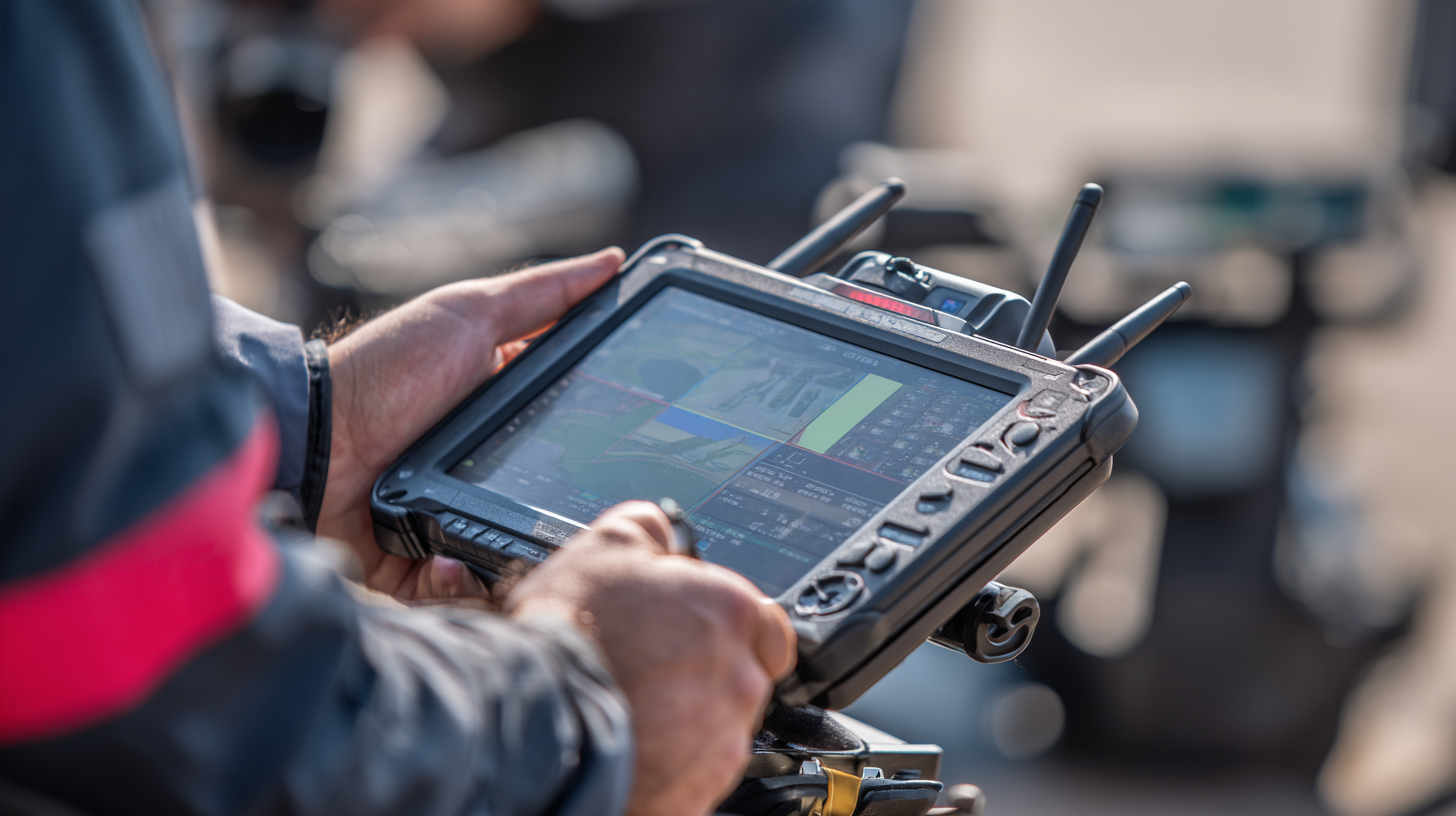
When you're thinking about how well your portable RTK (Real-Time Kinematic) gear is really working for you, it's super important to look at your ROI (Return on Investment). Basically, understanding how effective your tech is can seriously affect your overall costs and how productive your team is. To get a good grip on this, start tracking some key stuff—things like how accurate your measurements are, how much time you’re saving, and whether labor costs are going down. It’s a good idea to gather this data both before and after you start using your portable RTK setup, so you can really see if things are improving and how fast projects are wrapping up.
Pro tip: Take some time regularly to compare your results from traditional methods with those using the portable RTK. This side-by-side comparison can really uncover some hidden costs or surprising gains in productivity that you might not notice right away. Getting a feel for these numbers will help your decision-makers justify the investment and spot areas where you can do even better.
Plus, make sure you include your team in this process—training is key. If your folks aren’t fully comfortable with the tech, the investment might not pay off as much as it could. Offering ongoing training sessions can boost their confidence and skills, leading to even smoother operations.
Here’s a tip: set up a simple way for your team to give feedback—whether they’re struggling with it or loving it. Listening to their experiences can help you tailor future training and make sure everyone’s getting the most out of your portable RTK systems.
FAQS
: The first step is to identify your specific RTK needs based on the application, such as agriculture, construction, or surveying, as each comes with its own set of requirements.
According to a report from MarketsandMarkets, the global market for RTK technology is expected to grow from $1.6 billion in 2022 to $4.9 billion by 2027, highlighting the increasing demand for precision and efficiency across industries.
Important factors include the operational environment, required accuracy levels, and connectivity options to ensure that the RTK solution fits the specific needs of the application.
In agricultural settings, RTK solutions with robust multichannel GNSS capabilities can provide better coverage and accuracy, especially in areas with field variability.
Ensure compatibility with current software, provide comprehensive training for your team, and utilize intuitive desktop and mobile applications to facilitate smooth transitions.
Common issues include signal loss in obstructive terrain or urban environments and calibration errors, which can lead to downtime and inaccurate measurements.
Users can optimize their environment by choosing open locations free from obstructions to maximize the performance of their RTK devices.
Proper calibration is crucial, as inaccurate initialization can lead to erroneous measurements and work delays, making regular equipment checks essential.
Companies can offer comprehensive training and support, emphasizing the importance of regular equipment checks and the use of innovative GNSS/GPS systems.
Modern RTK devices are flexible and can easily adapt to various operational contexts, simplifying data collection while improving accuracy and reliability for better project outcomes.