In the world of geospatial tech, things are always changing fast, and everyone’s really craving more precision and accuracy when it comes to surveying. Did you know that, according to a recent report by the Global Gnss Receiver Market, this market is actually set to grow a lot? It’s mainly because of new tech breakthroughs and how more industries like farming, construction, and transportation are starting to rely on these tools. One of the coolest new innovations making all this happen is the Multi Band Rtk Gnss Antenna. 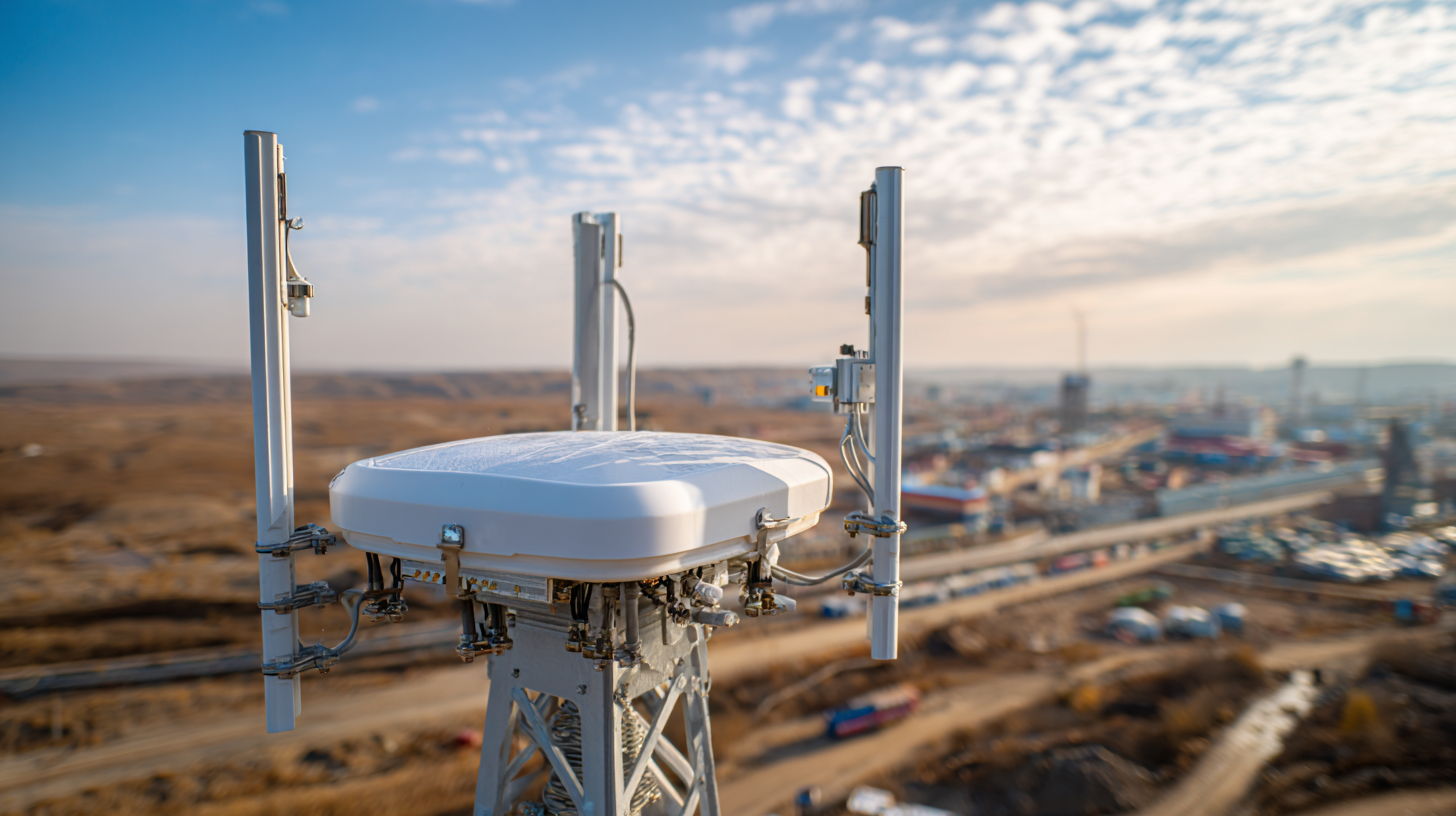 This device boosts accuracy and reliability by using signals from multiple frequency bands—pretty neat, right? Shanghai Apekstool (APEKS), a trusted name in geospatial surveying solutions, sees big potential in this tech. They're incorporating the Multi Band RTK GNSS Antenna into their products so surveyors and engineers can get the job done with super high precision. It’s all about giving them the tools they need to really make a difference in their work.
Benefits of Multi Band RTK GNSS Antennas in Precision Positioning
Multi-band RTK GNSS antennas have really changed the game when it comes to precise positioning. They offer a bunch of benefits that boost both accuracy and reliability when collecting data. These antennas are built to work across multiple frequency bands—like L1, L2, and L5—which means they can tap into signals from different GNSS constellations such as GPS, GLONASS, BeiDou, and Galileo. According to a report from the International GNSS Service (IGS), using multi-band antennas can improve your positioning accuracy by up to 50% compared to the older, single-band systems. That level of precision can be a total game-changer, especially for industries like surveying, agriculture, or construction, where even tiny errors can cause big delays and push up costs.
If you're serious about getting the most out of your GNSS setup, here are a few tips: First, make sure your antenna is installed somewhere with as few obstructions as possible—an open sky is best—to get the clearest satellite signals. Second, don’t forget to keep your GNSS receiver’s firmware up to date; new updates often come with technology improvements. And finally, if you want top-notch performance, consider pairing your multi-band antenna with dual- or multi-frequency receivers—they really do make a difference.
What’s pretty cool about these multi-band RTK GNSS antennas is just how versatile they are. Take drone surveying, for example: data collected with these high-end antennas can meet the strict requirements set by regulators for mapping and inspections. Industry reports suggest that using multi-band solutions can speed up data collection, meaning projects get done faster without sacrificing accuracy. It’s like having a high-performance tool that just fits right into different kinds of jobs—pretty awesome, right?
Advantages of Using Multi Band RTK GNSS Antenna for Precision Applications
This bar chart illustrates the key benefits of using Multi Band RTK GNSS Antennas in precision positioning applications. The data showcases the advantages in terms of accuracy, signal availability, multipath mitigation, and cost-effectiveness.
Enhanced Accuracy Through Multi Band Signal Reception
Lately, I've noticed how important multi-band RTK GNSS antennas have become across different precision-heavy fields. They really stand out because they can pick up signals from multiple frequency bands at the same time, which makes their readings way more accurate. Unlike those single-band options that sometimes get tripped up by signal interference or changes in the environment, these multi-band antennas handle that stuff much better. They cut down on errors caused by the atmosphere or signal reflections, so you get more reliable position info — pretty neat, right?
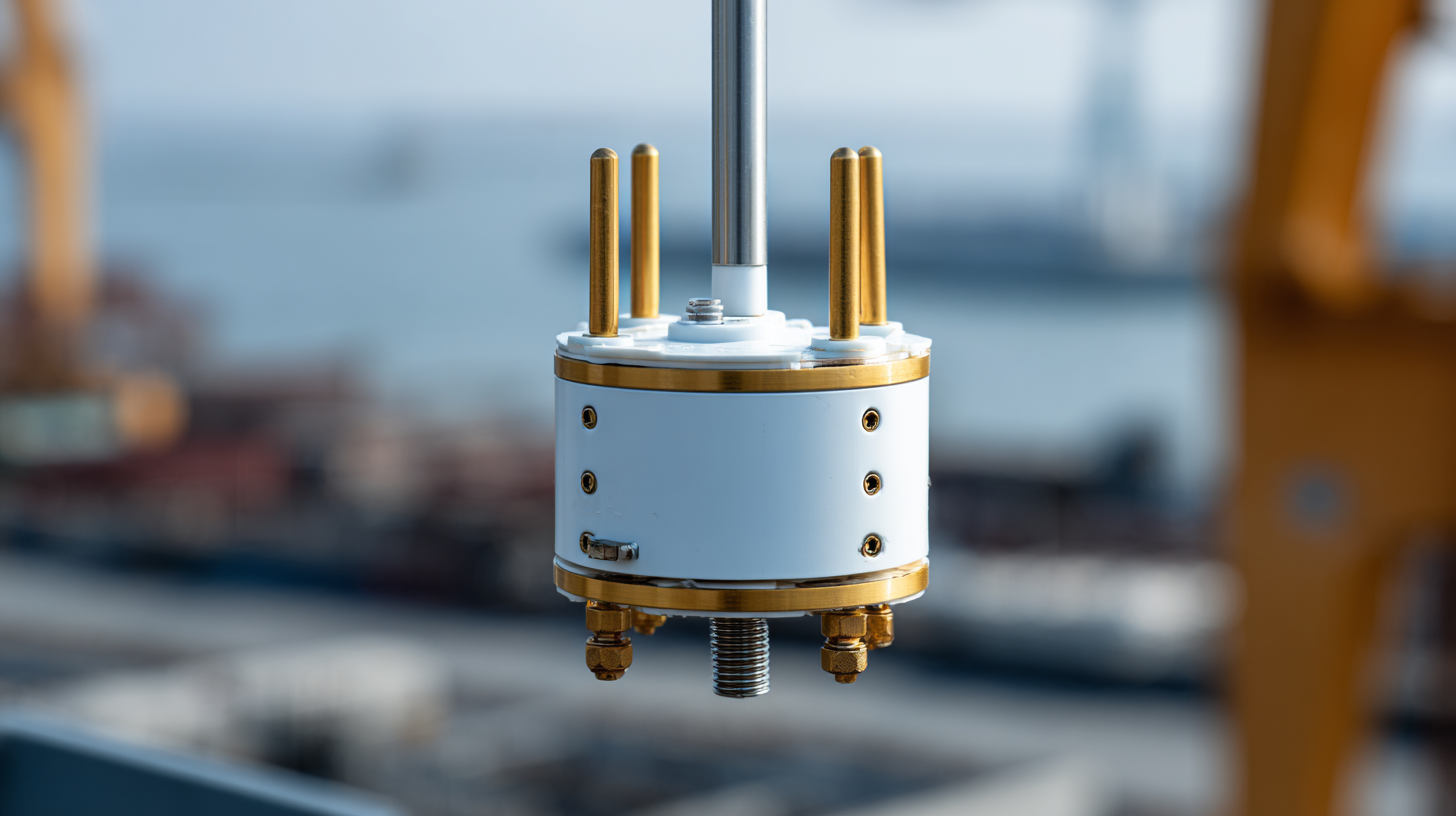
And here's the cool part: having access to a wider range of satellite signals helps improve the satellite geometry, which boosts overall performance—especially when you're in tricky spots with obstacles blocking the line of sight. Whether you're out surveying, working in agriculture, or running autonomous vehicles, the precision from a multi-band RTK GNSS antenna can really make a difference. It allows pros like us to make smarter decisions and get things done more efficiently. Honestly, with this kind of accuracy, the sky's the limit when it comes to advancing our tech and industry standards — totally game-changing stuff.
Improved Resistance to Signal Interference for Reliable Data
When it comes to super precise applications, choosing the right GNSS antenna can really make a difference in how good and reliable your data is. Multi-band RTK GNSS antennas, in particular, are pretty impressive because they’re better at handling signal interference—something you definitely want when accuracy is key. Unlike single-band antennas that only work on one frequency, these multi-band ones operate across different frequencies. This means they can better deal with multipath interference, which often messes up signals by bouncing off buildings or natural obstacles. As a result, you get cleaner, more accurate signals, which basically leads to more trustworthy positioning data.
What’s also cool is that multi-band antennas can pick up signals from multiple satellite systems like GPS, GLONASS, Galileo, and BeiDou. That’s a big plus, especially in tricky environments where single-band antennas might struggle. They’re pretty good at filtering out noise and competing signals, so things like surveying, agriculture, and even autonomous vehicles can run smoothly. Basically, these antennas help ensure your critical operations keep going without a hitch, even when external stuff tries to get in the way.
Versatility Across Various Environmental Conditions and Applications
You know, the thing about multi-band RTK GNSS antennas is just how versatile they are. Seriously, they’ve become incredibly useful in pretty much any environment — whether you're navigating through a dense cityscape or trekking through a thick forest. Because they operate on multiple frequencies, they can boost signal availability and give you more accurate results, especially in tricky spots where traditional GPS might falter. I came across a recent report from the International GNSS Service (IGS) that mentioned using multi-band systems can improve positioning accuracy by up to 30% compared to single-frequency setups. That’s pretty impressive, right? It really helps ensure reliable performance where you’d think GPS would struggle.
At APEKS, we’re all about pushing the boundaries in geospatial surveying and mapping tech. Based in Shanghai, we understand just how crucial adaptability is when it comes to GNSS gear. Our lineup — from advanced GNSS/GPS systems to specialized accessories — is built to meet the tough demands of professionals in construction, farming, environmental monitoring, and more. And with multi-band technology now a part of our systems, users get to enjoy more versatile applications and smoother, more precise workflows. It’s all about making sure you can get the job done quickly and accurately, even when real-time data is a must.
Faster Initialization Times Leading to Increased Efficiency
When it comes to super precise applications, using multi-band RTK GNSS antennas is honestly a game-changer, especially when it comes to how quickly they get started. You see, traditional single-band antennas can take ages to lock onto satellites, which often leads to delays in critical tasks—whether you're surveying, working in agriculture, or on a construction site. But with multi-band antennas? They can connect to multiple satellite systems at once, which means they get up and running way faster. That’s a huge plus because it keeps things moving smoothly, cutting down on downtime and letting folks focus on what they’re actually there to do.
Quick setup and rapid initialization mean projects don’t get held up by long waiting times anymore. When you're out in the field, you can switch locations more easily, without wasting a bunch of time setting up each time. All this added efficiency doesn’t just save time—it saves money, too, and helps get things done quicker and more accurately. Because of these perks, more and more industries are starting to see how awesome these advanced antennas really are. Honestly, as this technology keeps evolving, we’re going to see it totally reshape how precise positioning systems are used in the real world—faster, more reliable, and just all-around better.
Advantages of Using Multi Band RTK GNSS Antenna for Precision Applications - Faster Initialization Times Leading to Increased Efficiency
| Feature | Description | Impact on Efficiency |
| Multi-Band Capability | Supports multiple frequency bands for enhanced positioning accuracy. | Reduces signal loss and improves accuracy in challenging environments. |
| Faster Initialization | Quickly acquires satellite signals for immediate use. | Minimizes downtime and maximizes productivity. |
| High Precision | Provides centimeter-level accuracy for critical applications. | Enhances quality of work and reduces error margins. |
| Reliability in Urban Environments | Mitigates signal reflections and obstructions in built-up areas. | Improves usability in diverse operational settings. |
| Integrative Capability | Easily integrates with various GNSS equipment and software. | Streamlines workflows and enhances system versatility. |
Cost-Effectiveness of Multi Band Solutions for Precision GNSS Users
These days, people are really starting to see how cost-effective multi-band RTK GNSS antennas are, especially when it comes to precision work across different industries. I recently came across a report by Allied Market Research that projects the global GNSS market will hit around $165 billion by 2025. A big part of that growth is due to more folks adopting multi-band solutions — they help boost accuracy and cut down operational expenses at the same time. These antennas can access multiple frequency bands simultaneously, which not only makes the signals more reliable but also helps quickly sort out any ambiguities. That’s a game-changer during surveying and mapping projects because it can save a lot of time, which means your costs can go down in the long run.
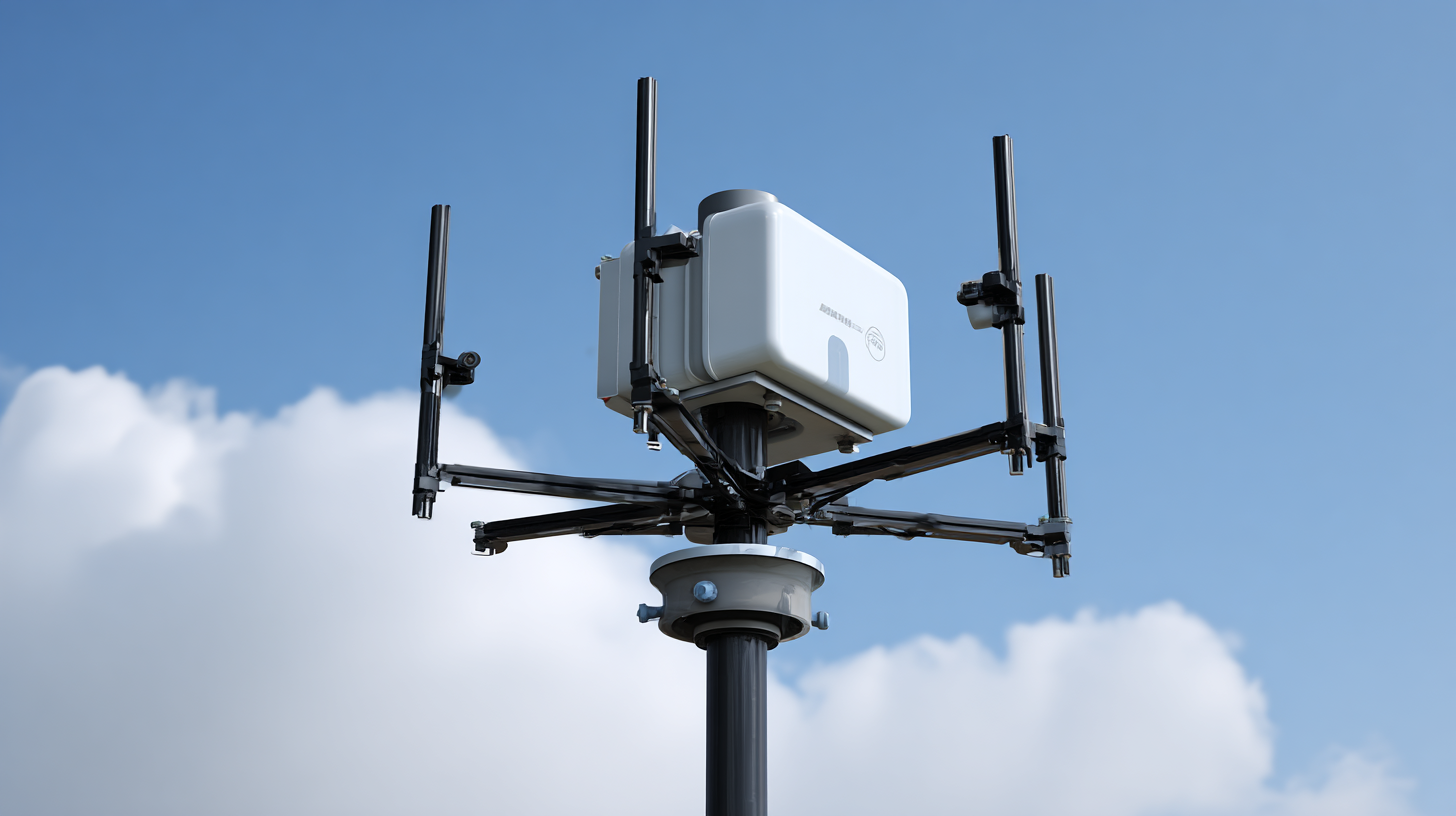
Plus, there’s a study from the International Journal of Geo-Information that shows how using multi-band GNSS tech can get you positioning accuracy within a few centimeters. That kind of precision really cuts the need for expensive post-processing work. As the technology keeps improving, any initial investment in these antennas tends to pay off over time — thanks to better efficiency and more accurate data collection. This shift to using multi-band solutions is especially helpful for industries like construction and agriculture, allowing them to get top-quality data without breaking the bank. It’s pretty clear that this is giving these sectors a real edge in the market now.
FAQS
: Multi-band RTK GNSS antennas offer improved resistance to signal interference, operate across various frequency bands to mitigate multipath interference, and leverage signals from multiple satellite systems, resulting in cleaner and more accurate positioning data.
Multi-band antennas can lock onto several satellite constellations simultaneously, allowing for faster satellite acquisition and significantly quicker initialization times, which reduces delays in critical operations like surveying and construction.
Faster initialization reduces downtime and allows for seamless transitions between locations, leading to improved productivity and cost savings as projects can be completed more quickly without the prolonged waiting periods typical of traditional systems.
Yes, multi-band GNSS solutions are recognized for their cost-effectiveness as they enhance accuracy and reduce operational costs, contributing to significant time savings and lower project expenses in precision applications.
Multi-band antennas improve positioning accuracy to within centimeters, which reduces the need for expensive post-processing and allows users to collect high-quality data more efficiently.
Multi-band RTK GNSS antennas are particularly beneficial in industries such as surveying, agriculture, construction, and autonomous vehicles, where high precision and reliability are crucial.
The adoption is growing due to the benefits of improved accuracy, reduced operational costs, and the ease of use they bring, which are leading to a projected market growth of GNSS technology to $165 billion by 2025.
In challenging environments, multi-band antennas provide enhanced robustness by effectively filtering through noise and competing signals, ensuring reliable operation even where traditional single-band antennas may struggle.
Multi-band solutions enable precision GNSS users to leverage high-quality data without incurring prohibitive expenses, thus reinforcing their competitive edge by improving both efficiency and effectiveness in their operations.
The report highlights that the global GNSS market is expected to reach $165 billion by 2025, largely due to the increased adoption of multi-band solutions that enhance accuracy and reduce costs in various industries.
Conclusion
Using Multi Band RTK GNSS Antennas in precision work really offers a bunch of benefits that can make surveying and mapping a whole lot smoother. These antennas boost accuracy because they pick up signals from multiple frequency bands, which means you get pinpoint-precise location data—even in tricky environments. Plus, they’re pretty good at resisting signal interference, so you can count on reliable data transmission most of the time.
On top of that, Multi Band RTK GNSS Antennas are super versatile—they work well across a variety of conditions, making them a solid choice for professionals out in the field. They also initialize faster, so you save time and get to work quicker. And the best part? They’re actually cost-effective, so more people can access these advanced solutions. Here at Shanghai Apekstool, we’re all about bringing innovative tech to the table and helping our customers nail their projects with top-notch tools—and these antennas are no exception.