Picking the right Gsss Gps Rtk solution can really feel overwhelming, especially if you're shopping from all over the world. The market’s full of different options, each claiming to be the best in accuracy and reliability. Honestly, it’s important to cut through all the hype and look carefully. Sometimes, the tech specs and jargon can be a bit intimidating, making it hard to figure out what’s really important.
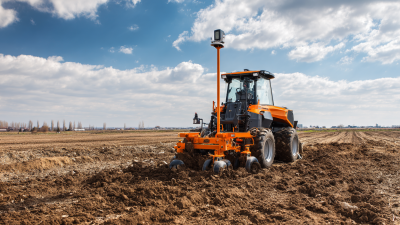
First things first, understand what you actually need. What’s the main purpose of your Gsss Gps Rtk? Are you working in agriculture, surveying, or construction? Each of these uses has its own set of requirements. So, take some time to think about which features will genuinely make a difference for your projects.
And don’t forget about support and customer service — these are super important too. Not all providers are equal when it comes to backing up their products. Do a quick check on their reputation; a trustworthy supplier can make your whole experience way smoother. Finding a good combo of solid features and dependable support will probably give you a much better bang for your buck — in the end, your investment in Gsss Gps Rtk will be worth it.

Gsss GPS RTK solutions play a crucial role in various industries. They provide real-time positioning accuracy, essential for tasks like surveying, agriculture, and construction. With the ever-increasing demand for precise location data, understanding these solutions becomes vital. Accurate positioning can enhance efficiency in project execution and reduce costs.
When selecting a GPS RTK solution, consider your specific needs. Think about the environment where you will be operating, whether urban or rural. Different settings may require different configurations. Technical support and service availability are also important. Look for providers with a solid reputation for reliability and expertise. Researching user reviews can help you gauge the effectiveness of the solutions you consider.
It can be challenging to navigate the options available. Some may promise exceptional accuracy but underdeliver in real-world settings. Continuous improvements in technology can sometimes lead to confusion. Focusing on your project's goals will guide you in making the right choice. Understanding the balance between cost and quality is essential. A thorough assessment will lead to better decision-making.
When choosing Gsss Gps Rtk Systems, it's crucial to focus on key features that enhance reliability and accuracy. A strong position accuracy in centimeter range is essential for precise applications. Look for systems with flexible communication options like radio and cellular networks, ensuring better connectivity in various environments. Also, consider the user interface. An intuitive design can significantly reduce training time and increase efficiency.
Battery life is another vital aspect. Systems that allow for extended operation without frequent charging can enhance productivity in fieldwork. Additionally, check if the system offers robust data logging capabilities. This feature is important for post-processing and validating measurements in multiple projects.
It's important to remember that not every system is perfect. Some models may have limitations in signal strength in urban areas. Evaluating user reviews can provide insights into real-world performance. Consider the support and service options available too. Reliable after-sales assistance is essential for troubleshooting and maintenance, ensuring your Rtk Gps system remains operational.
When selecting GPS RTK solutions, evaluating accuracy and precision is crucial. The accuracy of a system indicates how closely the data aligns with true values. Precision refers to the repeatability of measurements. Both elements combine to define your overall data reliability. Achieving high accuracy and precision can significantly enhance project outcomes.
Many users overlook environmental factors affecting GPS performance. Signals may be disrupted by buildings or trees, leading to poor results. It’s worth considering additional hardware or correction services to mitigate these issues. Regular testing and calibration of equipment can also help maintain performance. Users might need to adapt their approaches based on initial findings, leading to unavoidable adjustments.
Investing time in understanding different RTK systems can lead to improved decision-making. Each application may require unique solutions. While some systems boast high-grade specifications, their practical performance may vary. Balancing theoretical knowledge with hands-on experience is essential for success. Regularly reassessing your needs can ensure the most appropriate technology is employed over time.
When selecting Gps Rtk solutions, compatibility with existing equipment and software is crucial. Many users overlook this factor, which can lead to significant inefficiencies. According to industry reports, about 70% of hardware issues arise due to incompatible systems. This can cause delays and increased costs for projects, making the selection process vital for success.
Assessing compatibility involves understanding both the hardware and software already in use. For instance, not all Gps Rtk systems support every type of data output. It is essential to verify that new devices can communicate effectively with legacy systems. In addition, the software platforms often require updates to integrate new Gps Rtk solutions seamlessly. Experts recommend conducting thorough compatibility testing before final deployment.
Moreover, relying solely on specifications may not reveal all potential challenges. Real-world performance often diverges from theoretical compatibility. For example, different RTK implementations may yield varying accuracy levels in urban environments. Keeping in mind these nuances helps avoid costly mistakes. Engaging with experienced professionals or consulting industry reports can provide insights into long-term compatibility and reliability.
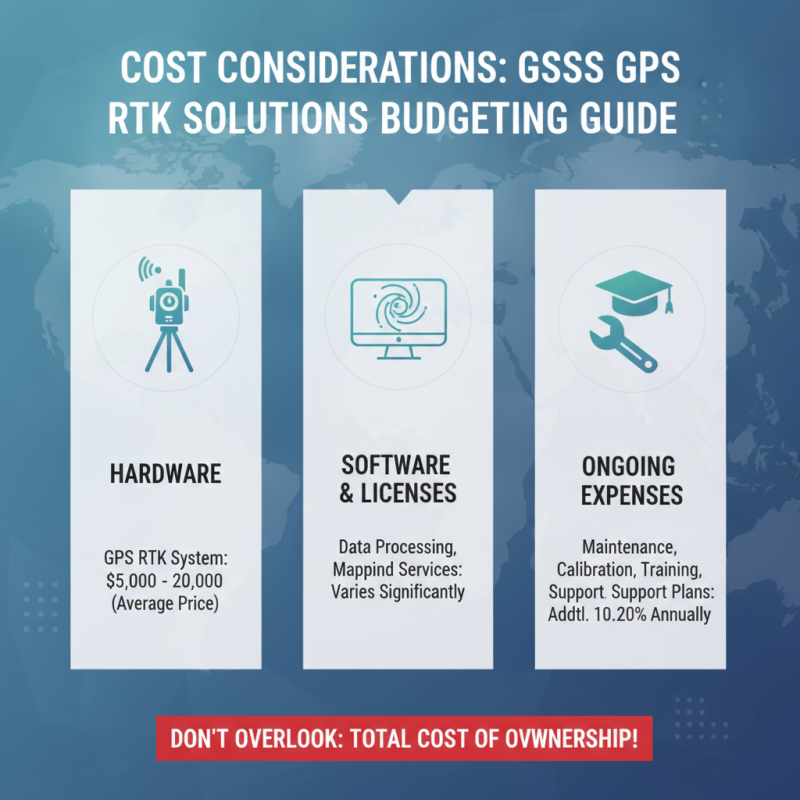
When budgeting for Gsss GPS RTK solutions, it's essential to analyze costs comprehensively. The average price for reliable GPS RTK systems ranges from $5,000 to $20,000, depending on features. Many users overlook additional expenses such as software, maintenance, and training. These costs can add up, affecting your overall budget.
A recent industry report indicates that nearly 30% of buyers fail to account for ongoing operational costs. This is a critical oversight. The choice between various Gps Rtk Imu configurations can drastically influence pricing and functionality. Each option may have different levels of accuracy and performance, which need to align with your project requirements.
Investing in GPS RTK solutions is not just about the initial purchase. It's about ensuring the system meets your long-term needs while remaining cost-effective. Some systems offer better ROI through durability and lower maintenance costs. Others might require frequent updates or services. Knowing these factors can improve financial planning and ultimately lead to more successful project outcomes.
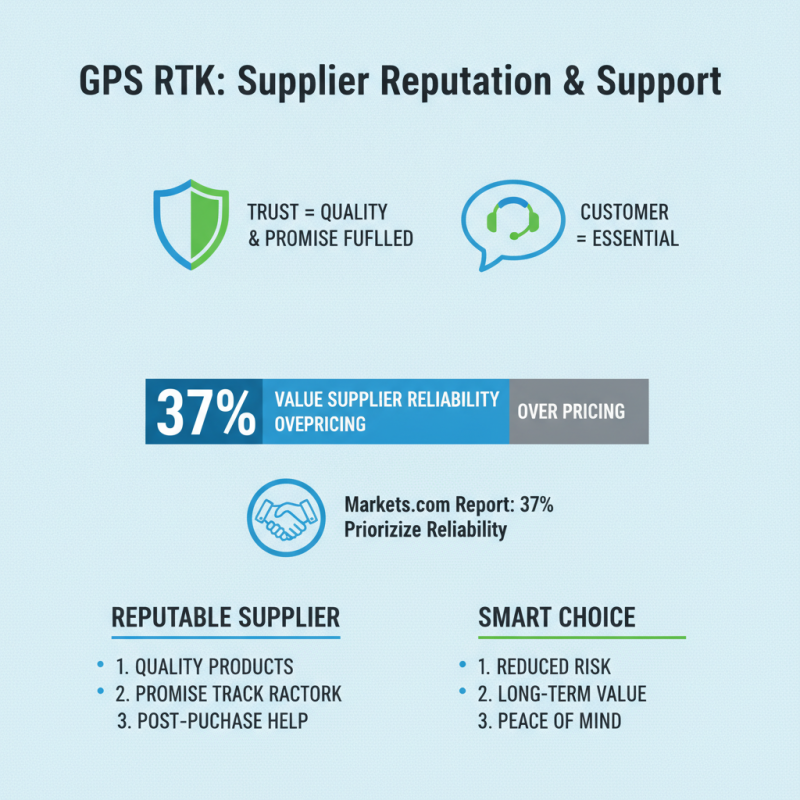
Choosing the right GPS RTK solutions requires careful consideration of supplier reputation and customer support. A recent report from Markets and Markets noted that 37% of customers value supplier reliability over pricing. This indicates how essential reputation is in the decision-making process. A reputable supplier provides not only quality products but also a track record of fulfilled promises.
Customer support resources are equally crucial. According to a study by Grand View Research, 65% of users deem effective customer support as a deciding factor. Quick and knowledgeable assistance can significantly impact your experience. Consider evaluating support channels. Is there 24/7 availability? Are representatives well-trained? These aspects matter when challenges arise, particularly in critical applications like construction and surveying.
The global market also shows trends in user preferences. Isolation can lead to dissatisfaction. Buyers should seek suppliers who engage with their customers. Regular feedback mechanisms can bridge the gap. If a supplier doesn’t invest in these resources, it's a red flag. Reflecting on these factors may lead you to a more informed choice.
When selecting Gps Rtk Gnss solutions, user reviews and case studies can provide critical insights. According to a recent industry report, 85% of users trust peer reviews over traditional advertising. Analyzing these testimonials can help gauge performance and reliability. Look for case studies that highlight specific use cases, such as agriculture or construction, to better understand the solution's practical applications.
One key tip is to focus on the accuracy and precision of the equipment. Many users noted that minor discrepancies in positioning can lead to significant financial losses. A solution with high accuracy ratings, ideally within 2–5 centimeters, often stands out. Additionally, consider the tech support offered. A provider that offers real-time assistance can be crucial during field operations.
Don’t overlook the importance of compatibility with existing systems. User feedback often mentions struggles with integration when systems do not align. Thus, testing compatibility with your previous setups through demos or trials is advisable. This evaluation phase might reveal challenges that could impact your projects in unexpected ways.
| Criteria | Importance (1-5) | Description |
|---|---|---|
| Accuracy | 5 | The level of precision that the GPS RTK solution can provide. |
| Reliability | 4 | The consistency and dependability of the solution under various conditions. |
| User-Friendliness | 4 | Ease of use for operators without extensive training. |
| Cost | 3 | Total expenditure including initial purchase and maintenance. |
| Technical Support | 5 | Availability and quality of after-sales support. |
| Compatibility | 4 | How well the RTK solution integrates with existing systems. |
| Portability | 3 | Ease of transportation and setup in the field. |
: Accuracy indicates how closely data aligns with true values. Precision shows the repeatability of measurements.
Buildings or trees can disrupt signals, leading to poor results. Users should consider these factors seriously.
Regular testing and calibration of equipment help. Users may need to adapt their methods based on initial findings.
Analyze initial costs, but also consider software, maintenance, and training expenses. These can significantly impact the budget.
About 30% of buyers fail to account for these costs. Ignoring this can lead to financial challenges.
37% of customers prioritize supplier reliability over pricing. A trustworthy supplier is key to a satisfying experience.
Effective support influences satisfaction. 65% of users consider it a deciding factor when facing challenges.
Assess support channel availability and representative training. Quick responses and expertise matter in critical situations.
Some systems may require regular updates, affecting maintenance costs. Better ROI can come from lower maintenance solutions.
Regular reassessment ensures you use the most appropriate technology over time. This adaptability is vital for project success.
When selecting Gsss GPS RTK solutions, it is crucial to understand their significance in providing high-precision positioning and real-time data for various applications. Key features to consider include accuracy, compatibility with existing equipment, and user-friendly interfaces. Evaluating the technical specifications, such as accuracy and precision levels, is essential to ensure the system meets your project requirements.
In addition to functionality, cost considerations play a significant role in decision-making. Budgeting for Gsss GPS RTK solutions involves not only the initial purchase price but also potential long-term maintenance costs. Assessing supplier reputation, customer support resources, and reviewing user feedback and case studies can provide valuable insights and help in making an informed decision. Ultimately, a thorough evaluation of these factors will lead to a successful investment in Gsss GPS RTK technology.